
The idea of moral bioenhancement is that you can enhance people's ability to make moral choices by medical intervention, of which the most obvious and practical means is medication.
He highlighted several drugs that are currently both legally and illegally used for cognitive enhancement, ranging in effects from improved memory to making people make more equitable in making judgements concerning social interactions.
Savulescu made it obvious to the audience that he saw most of the world's biggest problems, such as climate change and terrorism, as a result of human choice. The conflicting moral systems in 'melting pot' societies and social unrest was largely a result of over-tolerance of different moral systems. He also suggested that to cause people to change their attitudes and to make for a better society that moral bioenhancement may be necessary.
What I find most interesting was his proposal that a unified moral system for a society should be developed and adhered to.
If you notice this is a somewhat similar view to what Christian doctrine teaches: evil is the result of human immorality and that immorality can be lessened through intervention. In the Christians case this intervention is divine, in Savulescu's this intervention is medical. They agree on the end-point, unified morality, though the assumptions dramatically differ.
I entirely agree, over-tolerance is as much as problem intolerance in society (perhaps more so), and his talk was a nice departure from the normal 'personal morality' promoted by so many. I find this issue of over-tolerance especially true within Christian circles.
Why morality and suffering matter
But one thing that atheists and agnostics can never answer with any satisfaction is why morality and suffering matter, and on what basis should a moral system be built?
It is my opinion that the requirement for a unified moral system assumes that good and evil are real, and that there is a valid or consistent method for determining what is good and evil. Before you can claim that a unified moral system is needed, first you need to deal with the issue of whether good and evil even really exists.
Otherwise the world has no meaning, and actions have no moral value. In an atheistic world, things just happen, and have no meaning in themselves.
So whilst I agree with the points made by Savulescu of the need for a unified moral system for all society, which I believe Christians already have, I think the reasoning for this from a non-theistic viewpoint is entirely fallacious.
In the end the question comes down to whether there is good and evil, and who (or what) is the judge of that. Only once you acknowledge the existence of good and evil can you even ask question of what morals should be used.
If in the end we allow neurethicists to make these sorts of choices for us, the result can only a totalitarian system of morality which persecutes nonconforming dissidents, no doubt like us!
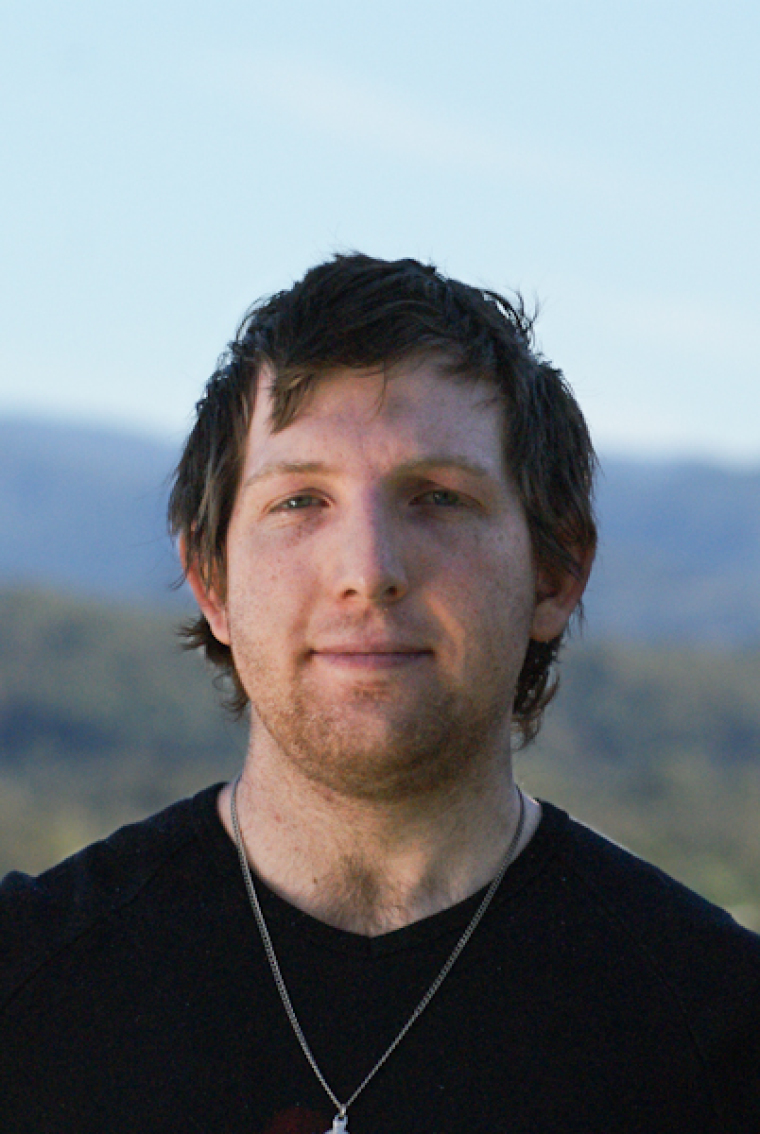
Nathanael Yates from Perth, Western Australia, is an award winning young scientist who has won a scholarship to Oxford for 12 months as from October 2011
Nathanael's archive of articles may be viewed at www.pressserviceinternational.org/nathanael-yates.html