
Koh Phan Gan (193 km2) is a 30 minute speed-boat ride north of Koh Samui, (its little fun and hippy loving sister, if you'd like). The island is home of the very ancient Wat Nai which stones were layed in the Ayuthaya period. (1350-1767).
Thailand happens to be the exception to the colonialism that engulfed the rest of Asia. Therefore, it has a deeply mono-cultured history in which the Ayuthaya period flourished in spiritual architecture. Ayuthaya refers to a city north of Bangkok, which during this period was the capital city of the Kingdom of Thailand.
Koh Phan Gan which means "the island with sand bars", was known to have been populated by Muslim sea gypsies, in other words, pirates. They established settlements on the island, and were sharing it with peacefully with the monks. There have been so many stories about this area, one for each beach around the island. Tales of lost treasures and hidden caves.
Then, some 400 years ago, Chinese immigrants started cohabiting with the Thai population of Koh Phan Gan. The growing and harvesting of coconuts and the production of its oil were major industries as well as fishing. These made up the economy up until 40 years ago.
At that time the first tourist bungalow was built. The island started to see it's coconut plantations slowly disappear and it's become a very popular tourist attraction: trained monkeys pick the coconuts. These monkey's usually travel in their master's bike and are very curious to tourists, though quite fierce animals.
The fishermen found that their magnificent long tail boats no longer had a place to tend their catch as the beach had become a swimming and relaxing situation, and the fishermen found themselves pushed away from the island, not even able to claim any money from their land.
Today, I have often found myself rewinding the tape recalling the endless conversations with the knowledgeable resort owner, Mr Lek. I could not even guess his age, but he was at the source of many of the stories that formed the mythology of that place.
He would stay up for hours telling these stories, such as his boat being engulfed in a typhoon, how he survived being a walking food merchant and how the first bungalow was built. He was a gold mine of oral history.
The island came to my attention by a university friend (France) who was planing a documentary on the island. As a coincidence, a long lost childhood friend of mine reappeared in my life, just after having bought a house on this same island… Within two weeks I was packed and on the RER for Charles de Gaulle Airport.
Something was magnetically attracting me to this place. And I kept going back. After three trips and finally meeting the one who would become my husband, I knew I would live there one day.
And we did. We moved to Koh Phan Gan two years ago. We left to Thailand for six months, with our son Raphael, and just one backpack:We lived what "I will remember" as the greatest adventure of our lives.
Having a business, learning the language, understanding les us et coutumes was the most rewarding experience we could have dreamt of.
Jeremiah 29 verse 11 - "For I know the thoughts that I think toward you, saith the Lord, thoughts of peace and not of evil, to give you a future and a hope."
Grace, Forgiveness came alive for me in Koh Phan Gan. And for me, I wish for this to be remembered too about Koh Phan Gan.
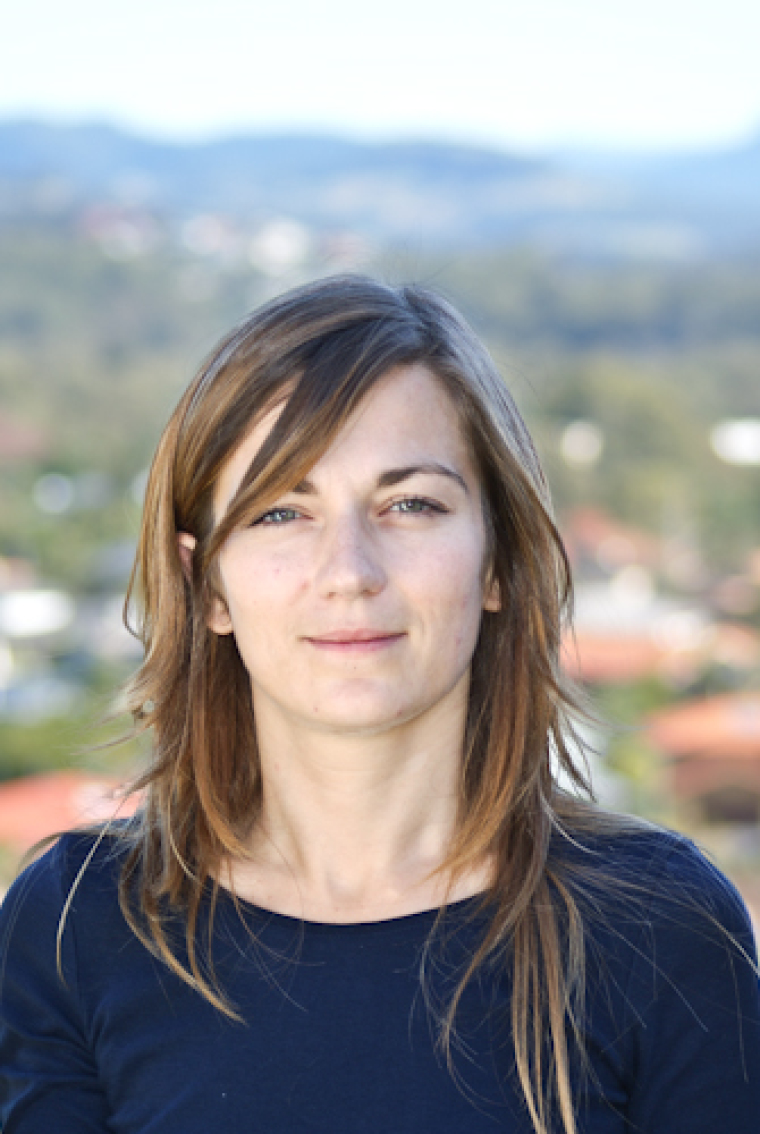
Julia Baber is French who has migrated to Australia with her English husband. They have one little son. Julia serves 'Aliiance Francaise', a non-profit body that promotes all things French around the world.