
The general idea was that while we all as humans may have proximal joy, i.e. joy in the here and now, our views on ultimate and eternal joy differ widely. A Christian believes that when we die there will be ultimate joy for eternity through the full experience of the love and care of God. Atheistic thought proposes that the only joy we can have is in the current life, but worse still this joy has no final meaning. Experience is just a fact of existence in atheism; our joy can have no ultimate meaning, nor can nothing else, for things in essence only "exist" and there is nothing deeper.
This may seem to be simply an abstract philosophical discussion, but what are the practical implications of these diverse perspectives? When near death how do different people respond to the thought of their impending demise? Are we all the same, or do our different worldviews manifest themselves in practically different ways. A review of available studies (Van Ness and Larson (2002)) focused on how religion affects mental health in aging.
What they found is quite interesting. Briefly summarised, elderly religious persons are happier, better adjusted, satisfied, useful, hopeful, better at pain management, dealing with cancer, have better cognitive function, less likely to commit suicide, and are physically healthier. Any potential negative effects of religion such as anxiety measures were inconclusive.
It is clear that in aging here is an overall beneficial result to personal well-being from religious beliefs. Why these effects occur is a matter of debate, but what the authors propose, and I personally believe, is that it is the hope of life after death is the main source of benefit. This is strongest when also attached to community involvement, as in a vital church connection.
This research does not prove that religion is true in any way, but what it does show is that it is beneficial to the elderly. I truly believe that this is because the joy that one can have in youth is easy to possess; the young (like me) have many opportunities and many things to be grateful for.
However, as we get older, sicker and lonelier one joy cannot be taken away. That is the joy in knowing that our life was worth living and that what is next after this life is the prospect of eternal joy with our God, Lord, Father, and Saviour.
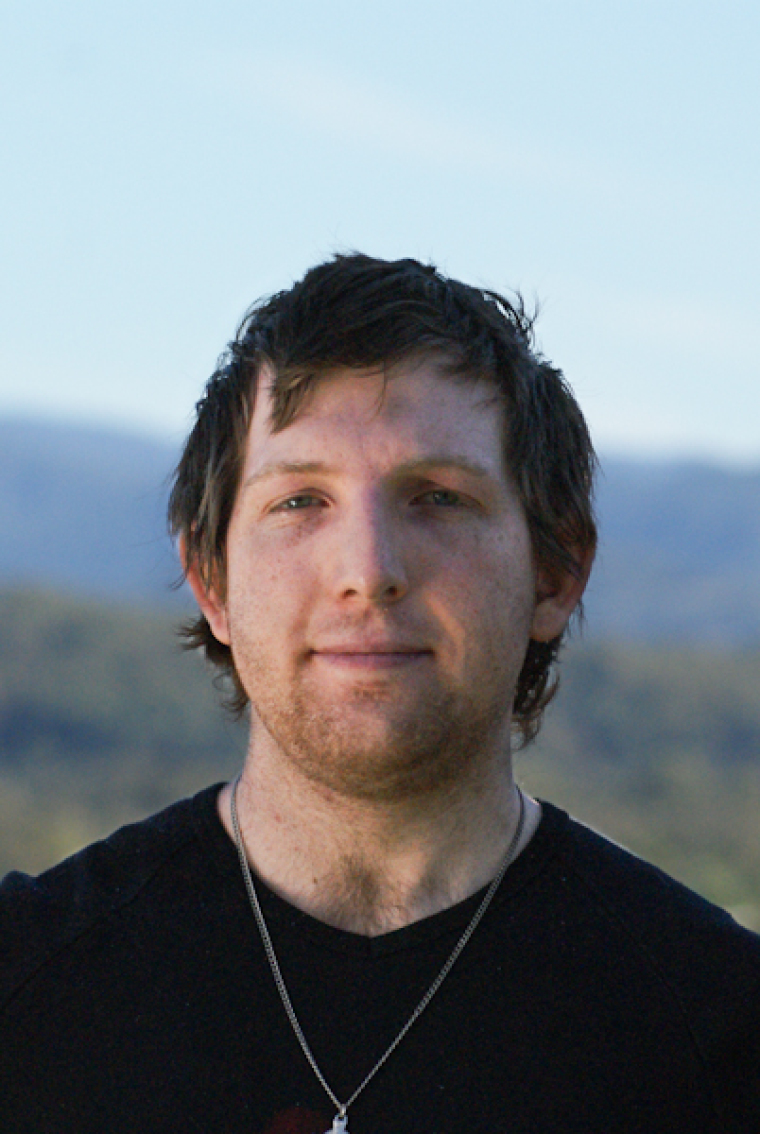
Nathanael Yates from Perth, Western Australia, is an award winning young scientist who is on a scholarship to Oxford for 12 months from October 2011.
Nathanael's archive of articles may be viewed at www.pressserviceinternational.org/nethanael-yates.html