
Now, as an adult, I realise the importance of all the photos and film footage that mum and dad gathered over the years. Often we would all sit down and watch some of the videos of places we once lived in and the people we once walked life with. A life that was once so familiar became so foreign. The stories of leaving friends behind and finding new ones remain so vivid.
Abraham moves house
In Genesis the Bible tells us of Abraham's big move from Ur to Canaan. God told Him to go to a land that He would show him. Little detail was given but Abraham obeyed (Genesis 12 verse 1). He moved with his wife, his nephew and others who had become members of their household. But how would they have preserved their memories of where they had come from? There was no video and no photos. How did they recall the people and experiences they left behind, or those new ones they had on their journey?
In this time and culture, oral communication was such a crucial and central part to daily life. It was all they had to pass on memories.
Abraham would have desired to convince his family and new neighbours that the Lord was the one true God and that the many gods being worshipped around them were lifeless idols. He would have repeated stories from his time and before his time. He would have shared of his calling and God's promises. Later, his son and grandson would have continued these stories and added their own experiences. When their descendants were forced by famine to move to Egypt, where they later became slaves they would have had even more reason to preserve their heritage and cling to their beliefs as a part of their survival.
Stories told orally
The Old Testament took shape slowly, over a period of than 1000 years, and many inspired writers, editors and scribes were involved in its making. Its beginnings were passed on by word of mouth. This was far from Chinese Whispers. In fact, as you know, the purpose of that game is to have fun. I always remember someone trying to distort the message in the times I played, just to disrupt the message.
In the ancient world passing information on by word of mouth was far from a game. In the beginning there was no written word. There was only the spoken word. God created the world by speaking words into the void. God's earliest worshippers could not write down their thoughts or experiences about God, but they could speak them, and speak them they did. Long before they invented their own writing system, and even long afterwards, Hebrews told and retold stories, proverbs, riddles, prayers, laws, poems and songs….many of which now appear in our Bible (The Bible: A History, Miller & Huber, 2003) .
Story telling was not merely for entertainment. It was a way of preserving the culture of the people, of letting them know who they were. The stories reminded the Hebrews throughout the early parts of the Bible of what made them special. As such people told their stories they dared not wander far from the point or alter any essential truth. If they tried, listeners would have immediately objected, as they had heard recitations often enough to be familiar with the content and would not have tolerated any deviations. After all, it was their faith and culture at stake.
Let us speak now
I personally would love to see more oral story telling come into our families here in Australia. In the same way our world began, by the spoken word, we can today pass on the stories to our children of how God has led our family and His faithfulness to us.
We can share with them the Word of God and of God's faithfulness to His people throughout all time. In this age of technology and of less and less spoken word, let us hold on to the lost art of oral communication.
Our country needs children who can speak out with a surety of where they have come from and where they are going.
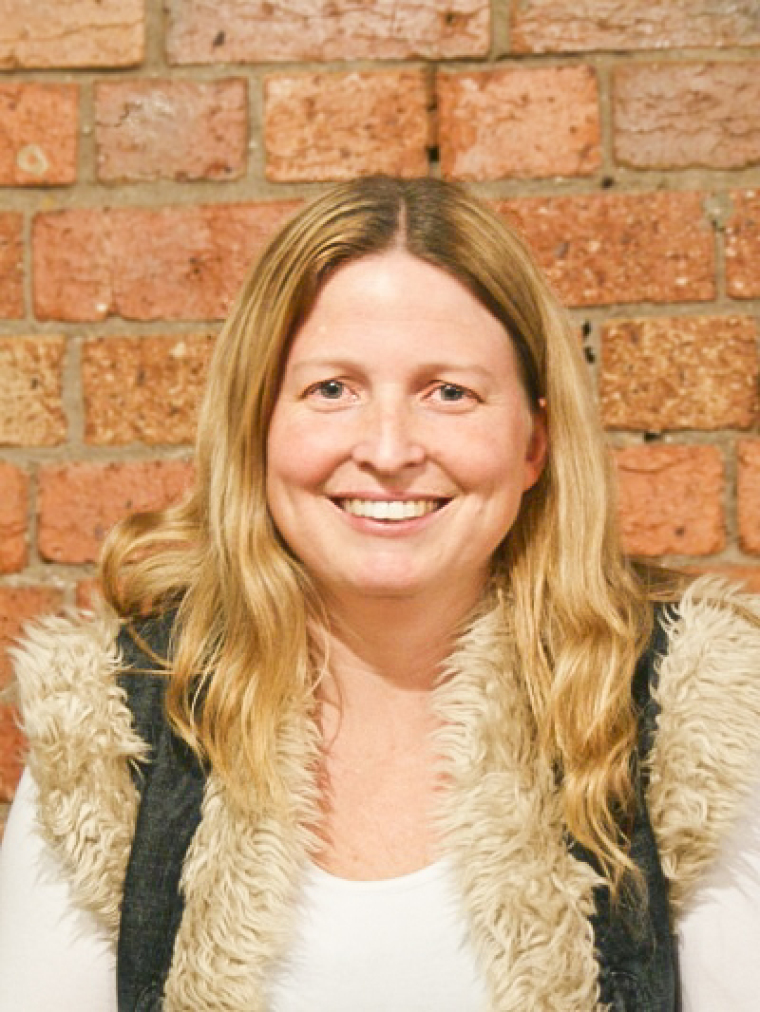
Laura Veloso is wife to John and the mother of 3 young boys. She is trained in child welfare and primary school teaching. John is a youth worker in local council. Together they serve as Youth Pastors and home group leaders in their local church. Laura also has interests in settling refugees, missions and rehabilitating battery chickens.
Laura Veloso's previous articles may be viewed at www.pressserviceinternational.org/laura-veloso.html