
Jesus' time on Earth was filled with miracles, many of them being healings. He spent much time helping anyone with ailments and faith, and indeed it seems that the healings were extensions of the will of God. In this way we can see that God desires us to be healthy and help each other. In fact some academics argue that one reason why Christianity spread during the period of the Roman Empire was that during the relatively frequent plagues believers in Jesus both took extraordinary care of each other and the helpless pagans. The example of Jesus and the early Church has been one motivation behind me choosing a career in biomedical research. I firmly believe that healing and helping others is fulfilling the Will of God.
The alternative humanistic world view of justice and meaning is an approach common in medical practice. Its focus is on our thoughts, feelings, and will. The extension and progression of this focus can be seen in the approach to many pertinent issues such as abortion, euthanasia and cosmetic surgery, all of which are increasingly accepted and promoted. Little thought is given to the implications of these procedures, they are grossly over emphasized as good for society even though often deleterious (see for example a review on male enhancement surgery). We have reached a stage in society that some accept intentional facial paralysis (i.e. Botox treatment) as normal. We have reached a stage where the will of the patient is more important than what is right and just. I believe this point is where we see the will of man becomes more important that the Will of God. There is a stage where Christians need to say that some things are unacceptable to God.
In the humanistic world we have competing wills and different degrees of personhood. In a way people are valued on how 'human' they are, and the humanness of their will. Modern secularism is characterised by the merging of two concepts: human desire and human will. Secondly the human will is ultimate. A Christian may perhaps desire, or be tempted, for many things: such as wealth, power and fame, but this does not have to be my will. Jesus' prayer in the Garden of Gethsemane prior to his arrest and torture emphasises this difference: Luke 22:42 "Father, if you are willing, take this cup from me; yet not my will, but yours be done."
Here we see that Jesus did not desire the suffering he was to receive, but he made his will that of the Father's. The difference in the secular and Christian views can be seen in two examples:
1) Someone may be suicidal, and request medical aid to this end. A humanist person may see this person's will to die as ultimate and would assist. A Christian should see the Will of God and likely not assist.
2) A severely mentally ill person may refuse treatment based upon delusional beliefs. A humanist may see this person's will and leave them alone. A Christian should see the Will of God, and would likely assist.
It is the focus on human desire and the merging of that with human-will that leads all away from God; this is otherwise known as sin. There have been times in my earlier life, for example, that it has been my desire to die, however it has never been my will. This is because I try to will what my Father wills for me. Simply put, it is the focus on the Will of God that marks the difference between Christians and humanists. Our will and the Will of God should always be the same. Whilst we cannot do this through our own strength, the power of the Holy Spirit makes this possible as it did in the Garden of Gethsemane.
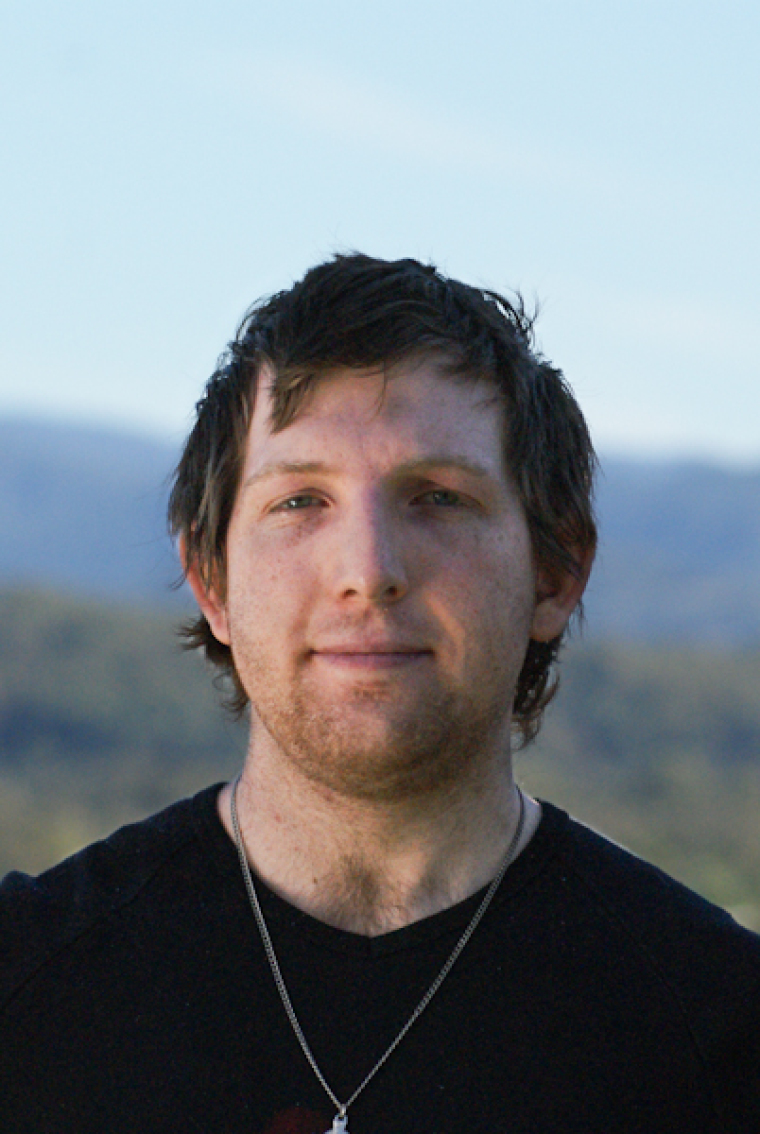
Nathanael Yates from Perth, Western Australia, is an award winning young scientist who is on scholarship in Oxford for 12 months as from October 2011.